Running the way it should
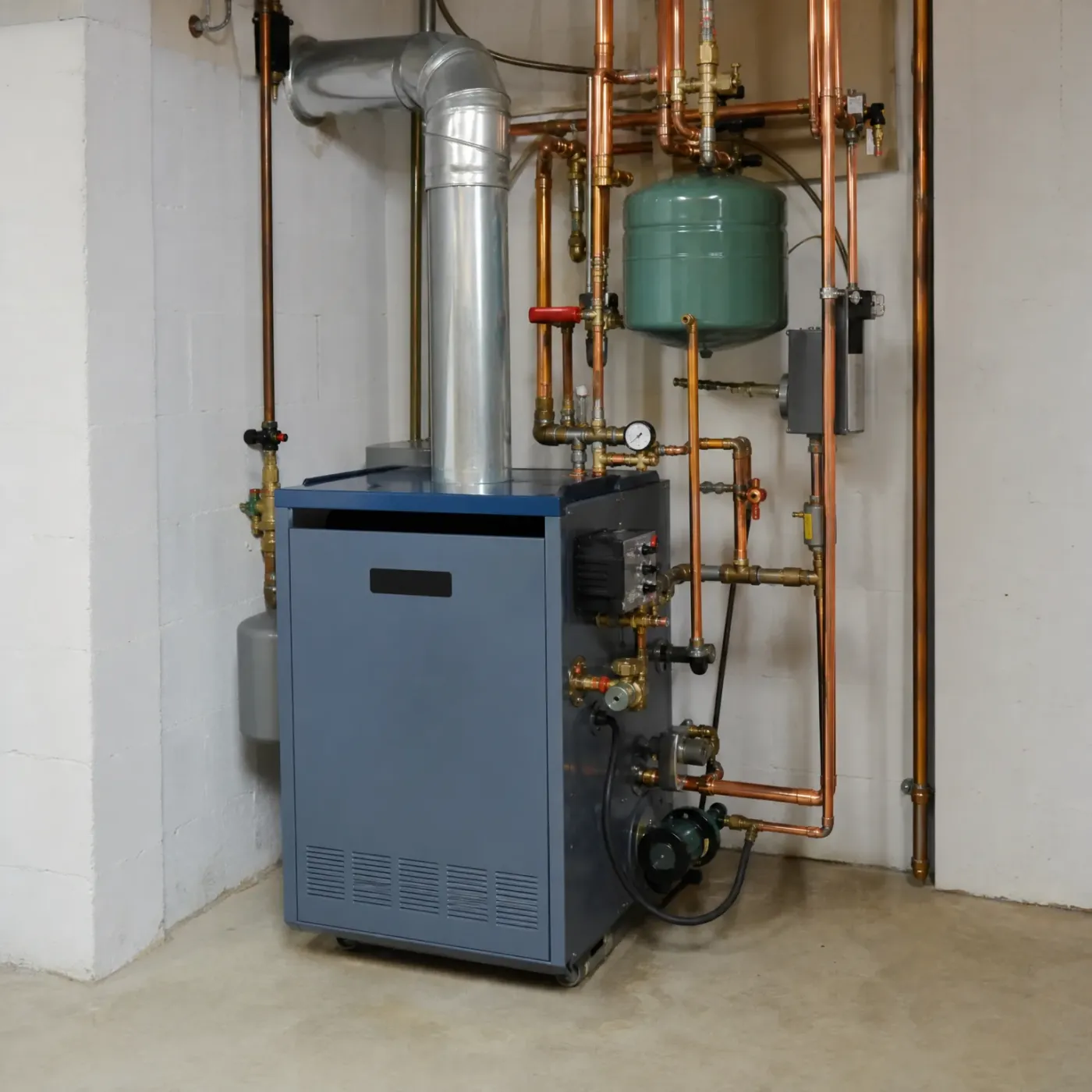
Copper lines stay clean, the pressure gauge holds steady, and the fittings show no rust. A boiler built like this one, wall-mounted with a sealed flue, is still doing the job it was installed to do.
 Hand it off
Send the form and the search for an installer is over.
A boiler in Nevada usually runs 15 to 20 years. Yours might go longer if it's been maintained every year, or shorter if it hasn't. Dry heat and low humidity here are easier on the metal than what boilers face in wetter climates, so Nevada homeowners often see the upper end of that range.
Most homes here heat with gas, and a boiler nearing the end of its life tends to show it slowly. Longer run times to heat the same rooms. A pilot or igniter that needs more attention than it used to. Higher gas bills in December and January even though nothing else changed. None of that means it's finished, but it's worth knowing where your unit falls in that 15 to 20 year span.
When a boiler does need replacing, the part people underestimate is finding someone to do it. Looking up contractors, calling a handful, explaining the same details about your system to each one, then waiting on quotes to compare. That's real time, and it's time on top of already dealing with a heating problem.
This page skips that part. Send the form once and the work of finding a licensed installer for your area is off your plate. You're not calling around Nevada looking for someone who answers. You're not repeating yourself to the third contractor because the first two didn't work out. That search ends on your end the moment you send it.
What's left after that is the actual job: someone qualified looking at your boiler, your home, and telling you straight whether it's time to replace it or whether you've got more years left. That's the part worth your attention. The finding-someone part doesn't have to be.
A boiler in Nevada typically lasts 15 to 20 years before it needs replacing. Most give out from the inside: the tank corrodes, the heat exchanger cracks, or mineral scale builds up until the system can't hold pressure the way it used to. The dry climate here is kind to the cabinet and the metal jacket, but what happens inside the tank depends on your water and how the system has been maintained, not on the air outside. If yours is in its teens, that's not a reason to panic, but it is a reason to start paying attention to how it's running, especially once fall gets closer and you're about to lean on it every day. A boiler that struggles to hold pressure, short-cycles, or needs a repair every season is telling you something. Planning the replacement before a cold morning forces the decision gives you the time to choose the right system instead of taking whatever can be installed fastest.




Nothing about a boiler's age shows up on the outside. The real wear happens in the tank and on the heat exchanger, where corrosion builds slowly over years until it finally breaks through. Hard water speeds this along. Minerals in the water settle onto the heat exchanger as scale, and that layer acts like insulation, so the burner runs longer to get the same heat into the water. You'll often catch the early signs before a full failure. A system that needs water added more than it used to, or one that's losing pressure slowly, is usually telling you the heat exchanger has a crack starting. Short-cycling, where the burner kicks on and off every few minutes, points to the same scale buildup, or sometimes a failing aquastat rather than the boiler itself giving out. Not every part that quits is the boiler. The expansion tank, the circulator pump, and the pressure relief valve all wear on their own schedule and get swapped out individually. Annual service checks the anode rod or whatever corrosion protection the unit has, since that's the one part whose job is slowing down the tank's decay from the inside.
Water sits in the tank, heated by a gas burner underneath it
Scale and mineral deposits slowly coat the heat exchanger surface
The coated metal makes the burner work harder to heat water
Corrosion spreads through the tank once scale traps enough heat


A 15 to 20 year boiler means you're either close to a replacement or years away from thinking about one, and either way, finding out who actually handles boiler installs in Nevada takes real effort. You'd be pulling up listings, calling a few, explaining your system and your house to each one, then waiting on quotes that come back on different days with different numbers and no easy way to compare them. That's hours you don't get back, on top of whatever is already going on with your heat. Send the request once and that work is off your plate. You're not managing a search anymore, you're just waiting to hear from the one contractor who got it. If your boiler is already showing its age, corrosion, uneven heat, pressure that won't hold, that wait matters less than getting the right person looking at it. If it's still running fine, there's no cost to having this settled before you need it.
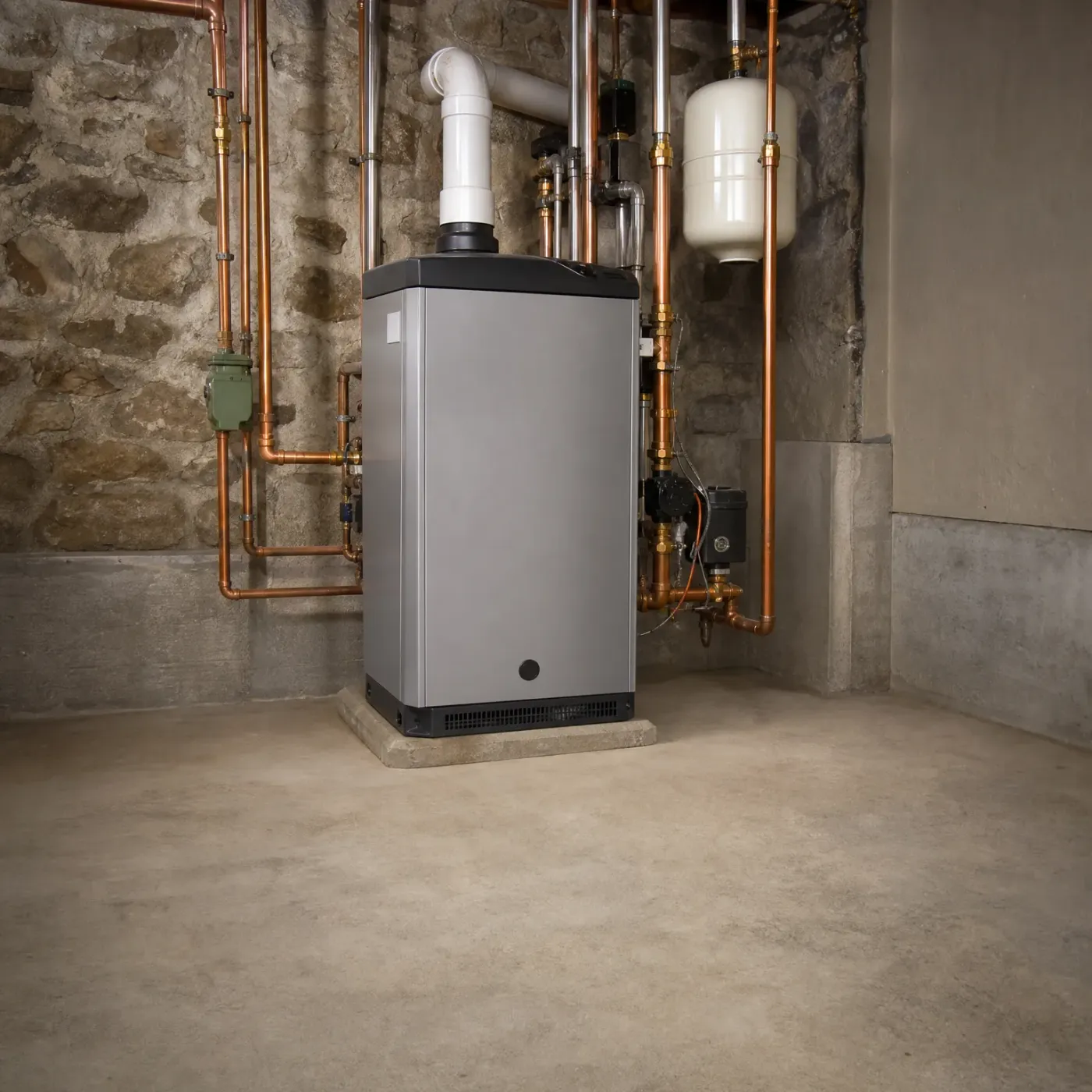
Nights here average 33°F through December, January and February, so your boiler isn't idling most of the winter, it's holding a steady load most nights. That kind of steady demand is what wears a heat exchanger down over the years, not a few cold snaps.
NOAA nClimDiv 1991-2020 county normals weighted by homes
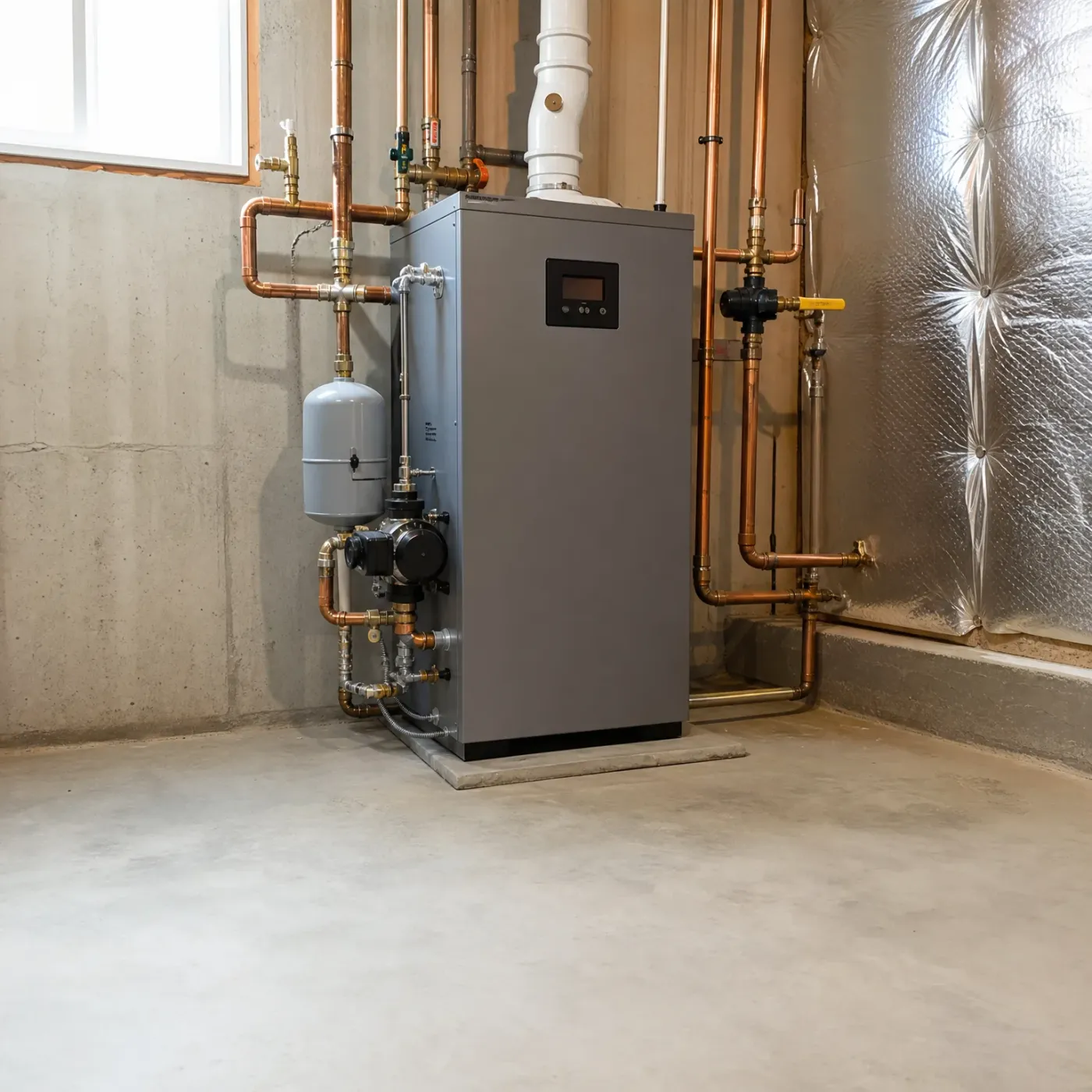
Copper lines stay clean, the pressure gauge holds steady, and the fittings show no rust. A boiler built like this one, wall-mounted with a sealed flue, is still doing the job it was installed to do.
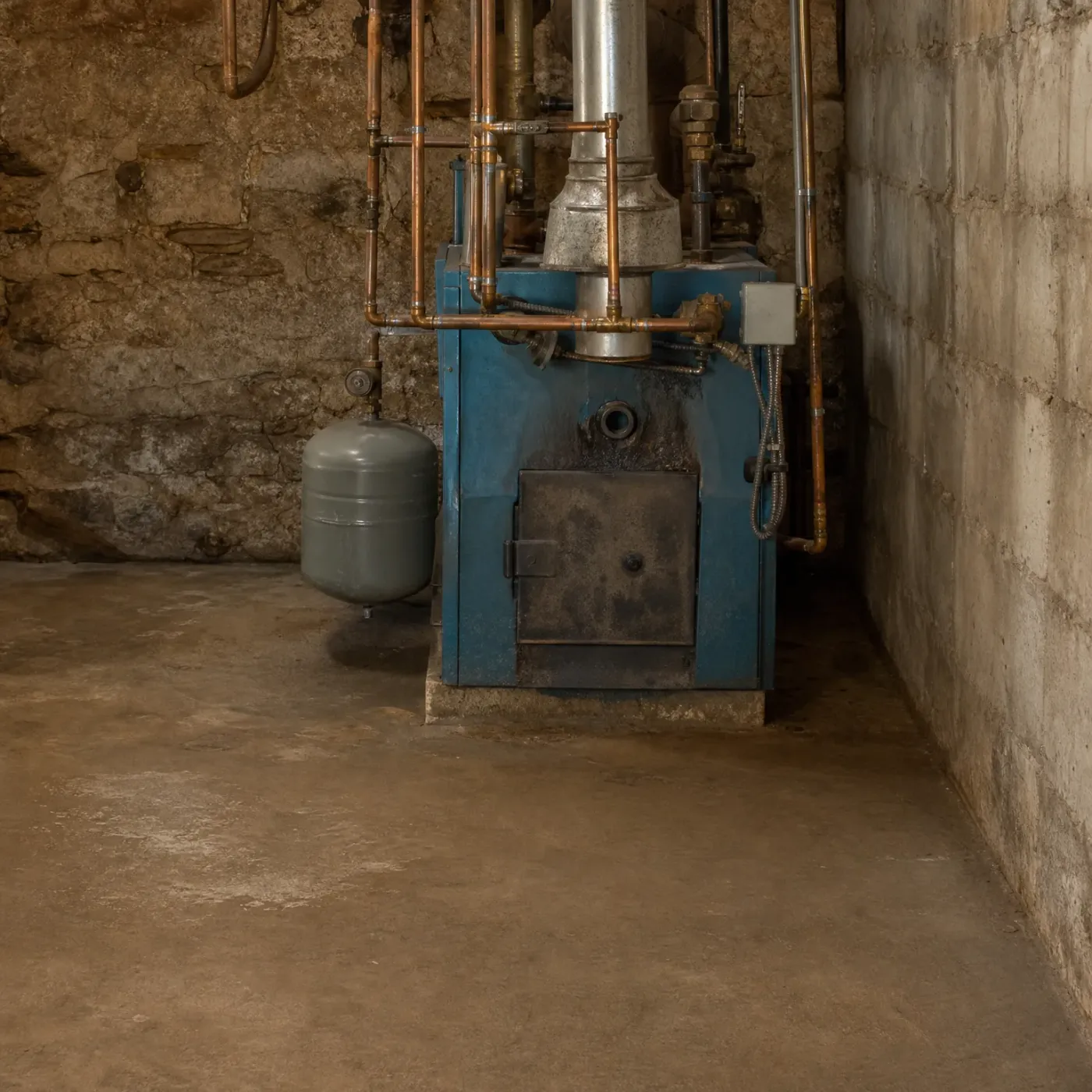
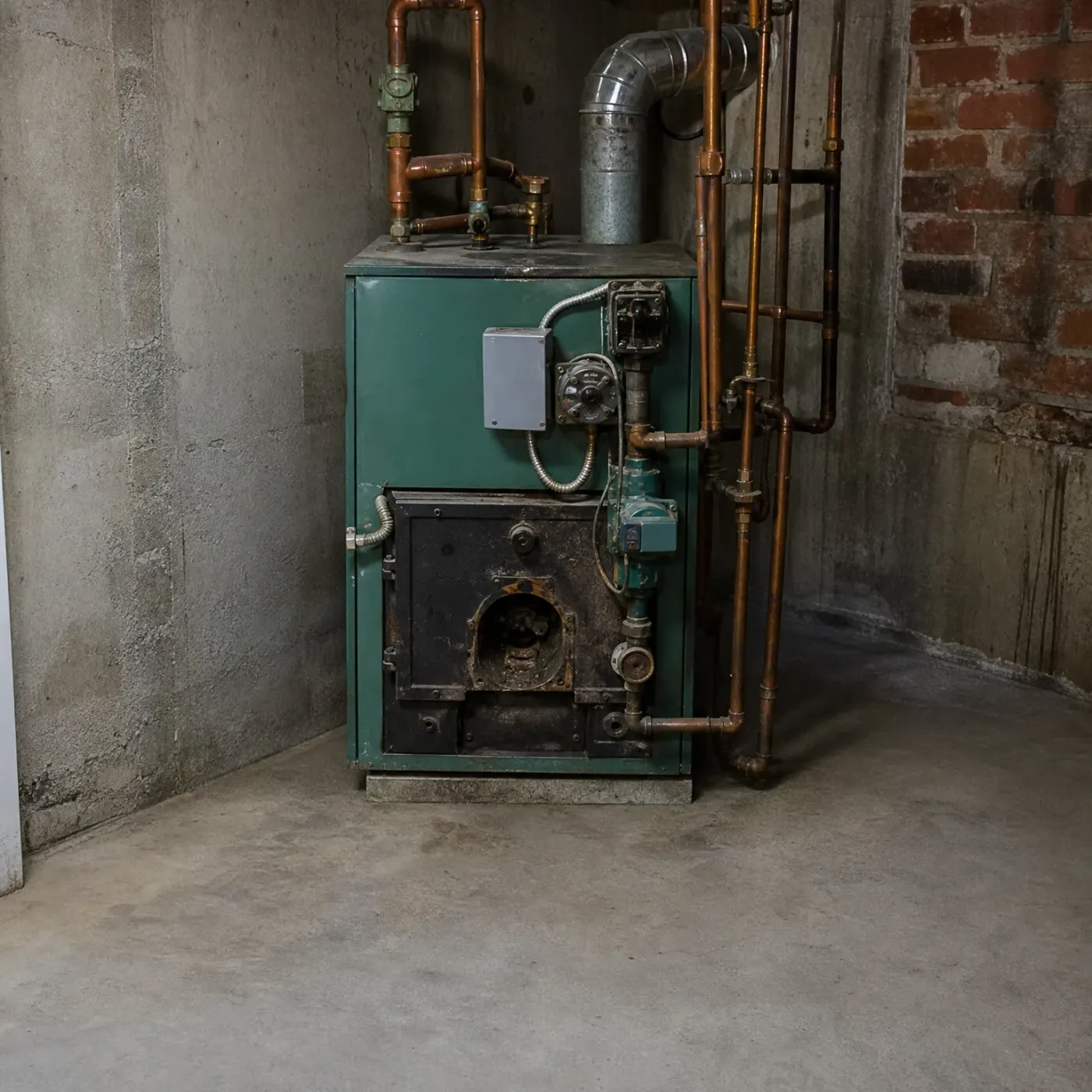
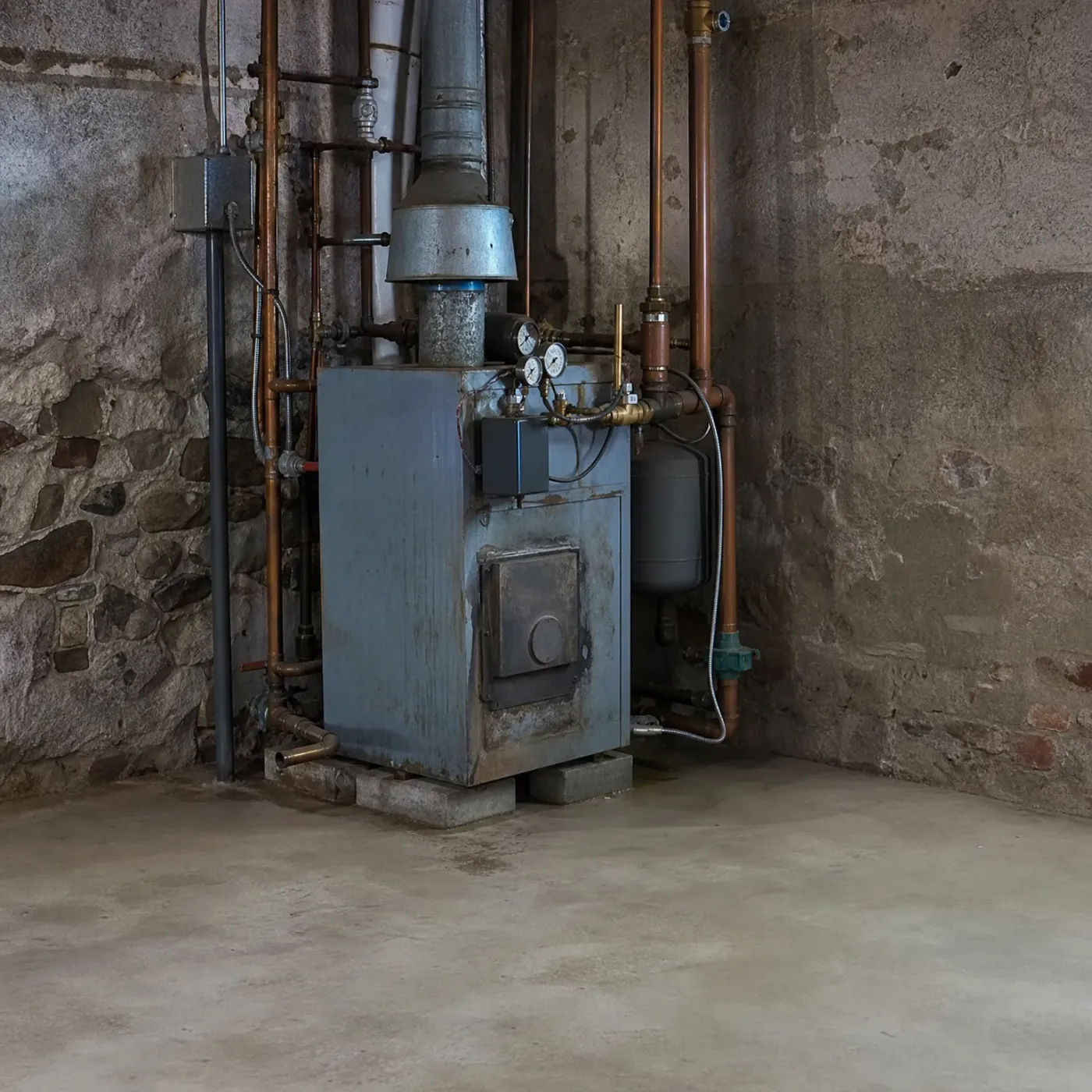
The access door is pitted and corroded, and the stone walls behind it have taken on the wear too. A boiler this old is working through scale buildup, not past it, and the tank underneath is likely worse than what shows on the door.

A boiler in Nevada runs 15 to 20 years. Where yours lands in that range comes down to maintenance, water quality, and how the tank has held up underneath. Past that point, patching one more leak or swapping one more part stops making sense, and replacement is the honest answer.
Finding out who handles that work doesn't have to be the part that drags on. You could spend an afternoon pulling up listings, calling around, explaining what's wrong with your boiler to three different offices, then sitting with quotes that don't line up with each other. Send the form instead and that search is off your plate. Someone qualified gets the details and takes it from there.


Stop chasing a boiler pro



