Send the form and the search for an installer is over.
A boiler that's struggling in a Nevada winter doesn't wait for a convenient time to quit. Maybe it's short-cycling, maybe the pilot won't hold, maybe it's just old and you're wondering if this is the year to stop paying for repairs and put in something new.
That decision is harder than it sounds. A boiler that's fifteen or twenty years old can sometimes be patched again, and sometimes the next repair costs most of what a new unit would. A contractor who actually looks at your system, your gas lines, your house, can tell you which situation you're in. Guessing from here can't.
Most homes in Nevada heat with gas, and power here is cheap, which changes the math on repair versus replace compared to other places. That's exactly the kind of detail a contractor weighs when they look at your setup in person.
Finding that contractor is usually the part that eats your afternoon. Calling a handful of companies, waiting on hold, describing the same noise or leak three or four times, then trying to compare quotes that aren't even for the same scope of work. It's a lot of effort before anyone's even looked at your boiler.
Send the form on this page and that search is done. You won't spend the next few days working the phones or chasing callbacks. Someone qualified gets the details of your situation without you repeating yourself to five different companies, and the job of finding help stops being yours to carry.
Whether your boiler needs a part or needs to go, the answer starts with someone looking at it, not with more guessing on your end.
Should I repair my old boiler or replace it?
You've had the repair guy out before, maybe more than once, and you're trying to figure out if this is the time to stop. A boiler that keeps needing attention in the middle of a Nevada winter puts you in a bad spot: fix it again and hope, or spend more now and be done with it. The decision usually comes down to the age of the unit and whether the next repair is likely to be the last one.
Replace it if it's old and the repairs keep coming
A boiler that needs a second or third repair in a few years is telling you something. Parts for an older unit get harder to source, and each repair is a bet that the next part won't fail too. If yours is old enough that you're not sure it came with the house, that uncertainty is itself a reason to stop guessing and get it looked at. Gas is how most homes here heat, so a new boiler still runs on the same fuel and doesn't change how your house is set up. Winters here are hard enough that losing heat for days while you weigh options isn't a risk worth taking twice.
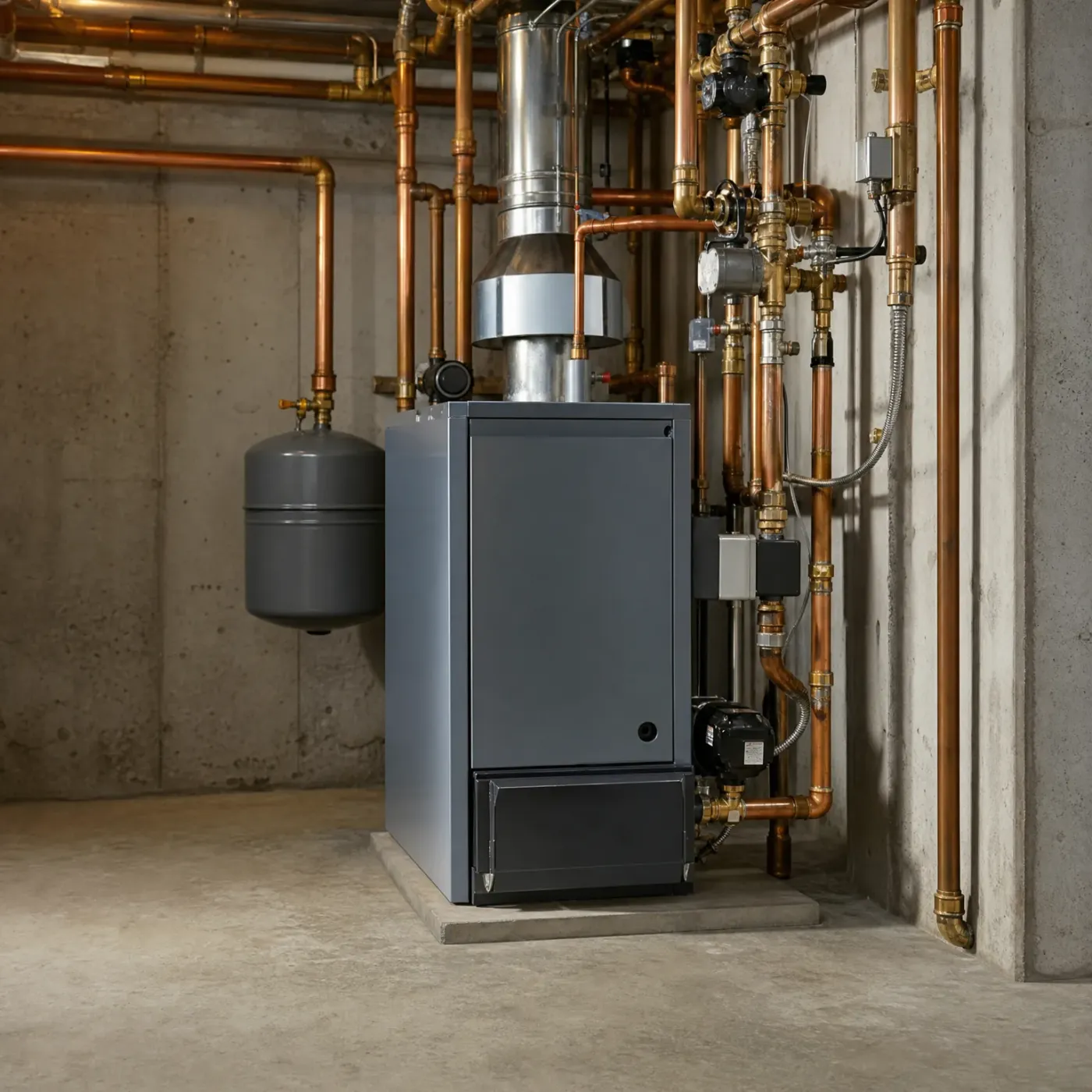
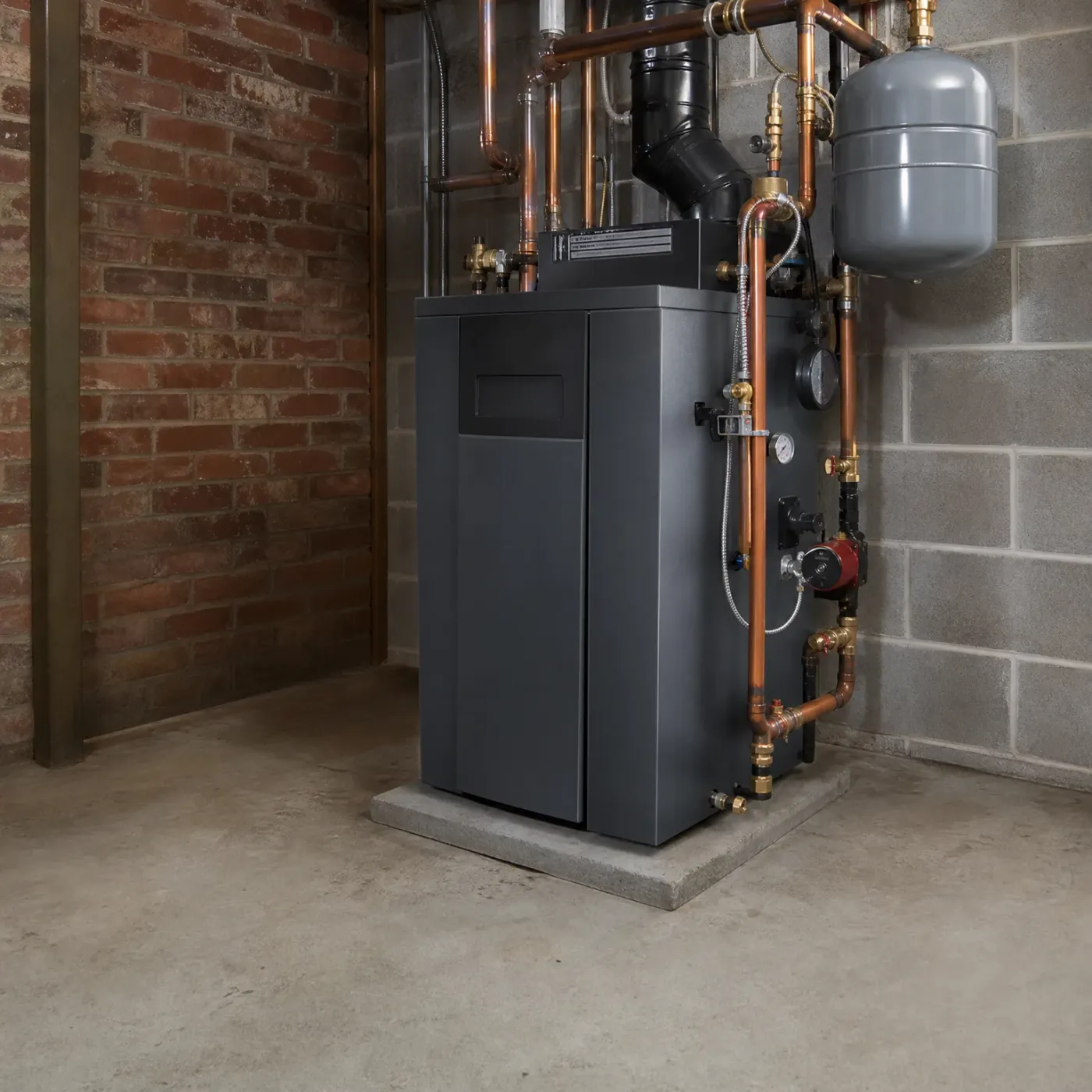
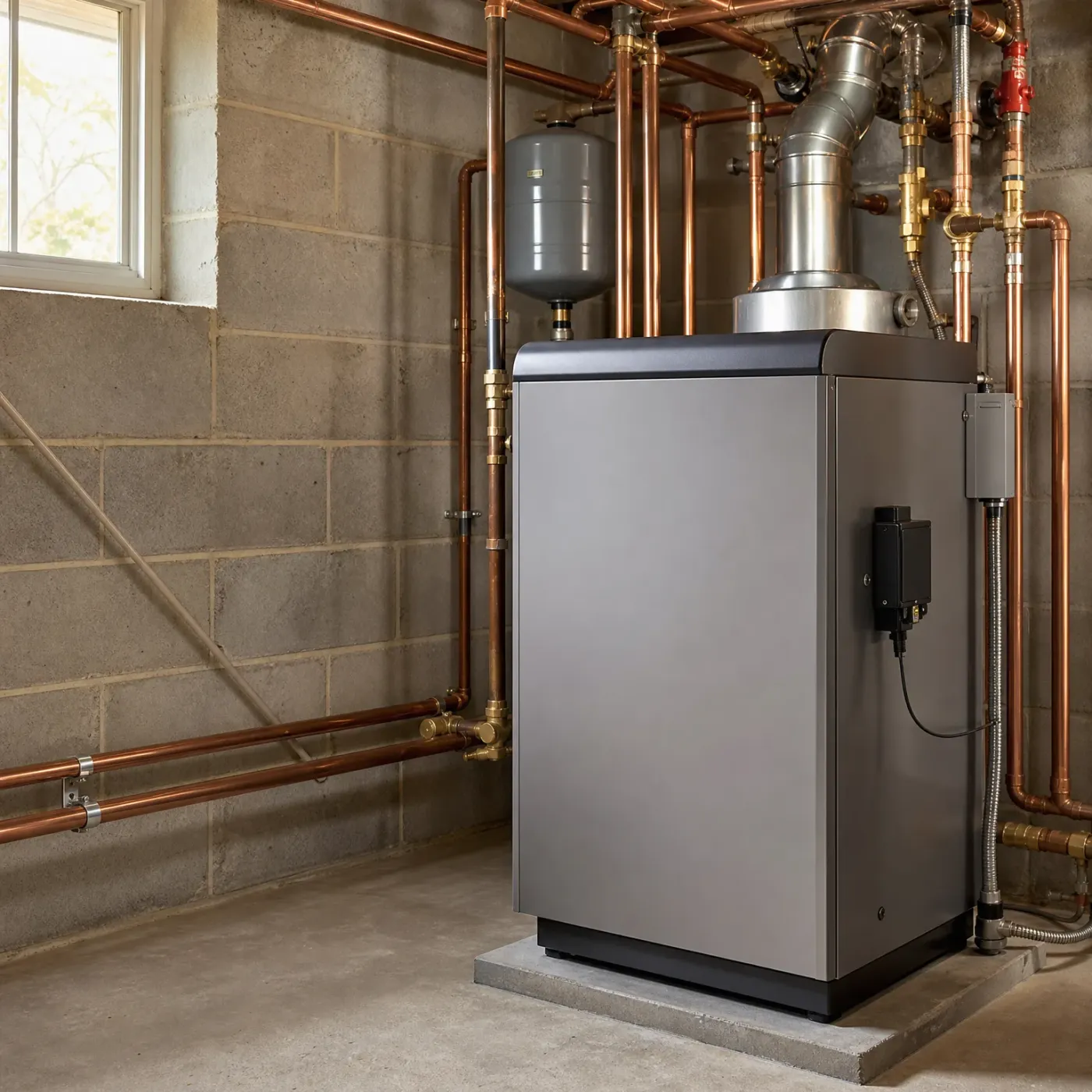
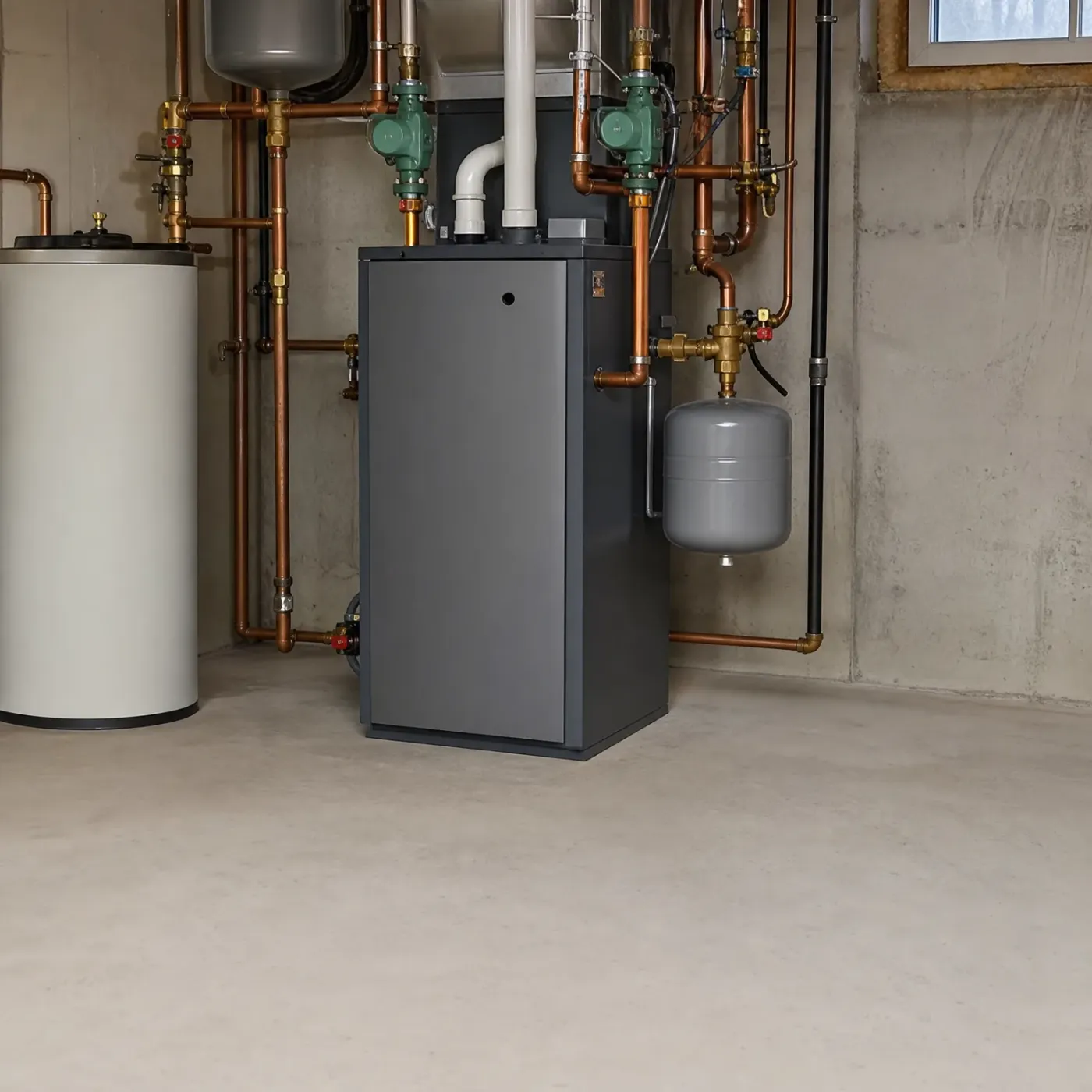
Still doing its job
A boiler like this holds steady pressure, keeps its flue drawing clean, and heats water without drama. The pumps cycle on and off as rooms ask for heat. If yours runs like this, repair is usually the right call when something does go wrong.
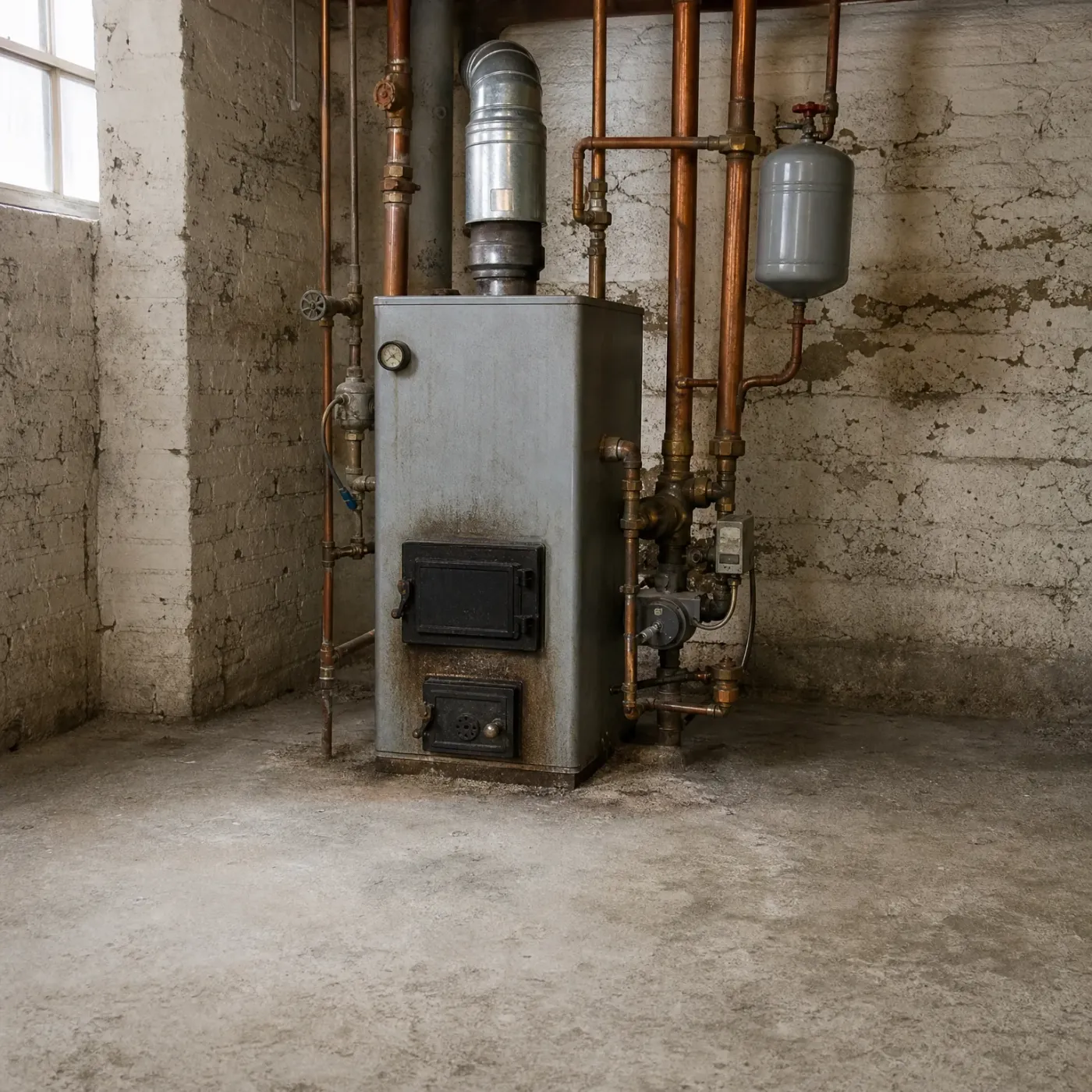
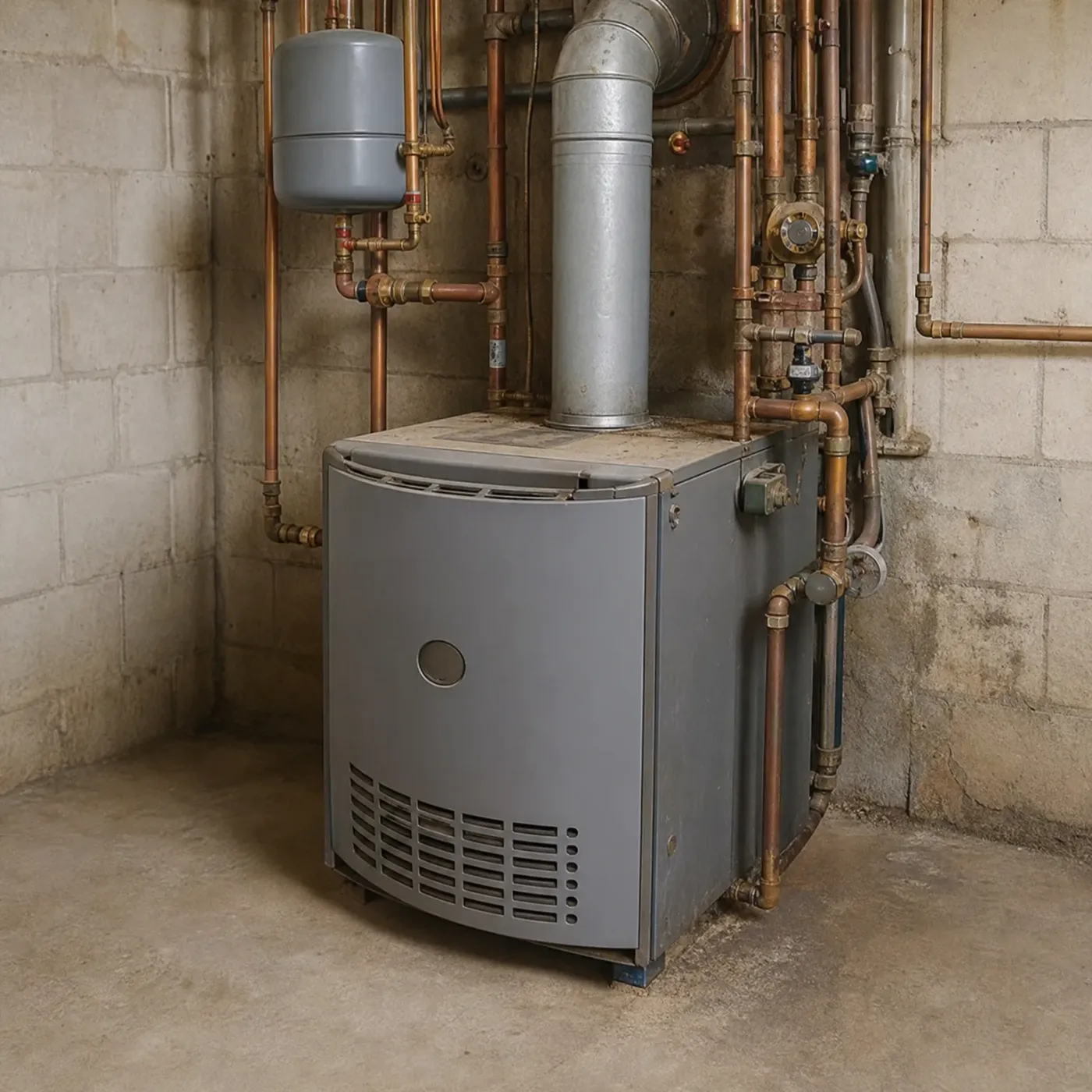
On its way out
Cast iron like this has been through a lot of winters. Rust at the joints, a flue that's seen better days, valves that weep instead of shutting tight. Once a boiler looks like this, every repair is a bet against the next one.
Is your boiler telling you it's done
You might hear banging or kettling from the tank, or notice the pilot won't hold like it used to. Maybe there's water pooling near the base, or the pressure gauge won't sit still no matter how many times it's been reset. Rooms that used to heat evenly now take longer, or one end of the house stays cold while the thermostat says it shouldn't. A boiler that's corroding or leaking can mean carbon monoxide isn't venting the way it should, which isn't something to wait out. If any of this sounds like your house right now, that's the boiler telling you where it stands.
1
A licensed contractor sizes the new boiler to your home's heat loss.
2
The old unit gets drained, disconnected, and removed from the line.
3
New venting and gas connections are set to the new boiler's specs.
4
The system gets filled, pressure tested, and checked for leaks.
Before you get your boiler installationAfter you get your boiler installation
Send one request and you're done looking
Skip collecting and comparing quotes for the new boiler.
Send the request and finding a pro stops being your problem.
If your boiler is already banging or losing pressure, the next cold snap is when it tells you for real. A failed heat exchanger or a cracked section doesn't wait for a weekday that works for you. You end up with no heat on a night it's actually cold outside, and then you're calling around hoping someone has an opening.
That's the part worth getting ahead of. Once you send the form, you're not the one hunting down a contractor, checking if they do boiler work, explaining the pilot and the pressure gauge problem all over again to a third company, or sitting with three quotes trying to guess which one is honest. That search gets handed off. What's left is deciding, with someone qualified in front of you, whether this winter is the one where you fix it again or put in a new one.
A boiler in good shape sits quiet, holds its pressure, and heats water with the pumps and fittings doing exactly what they're built to do.
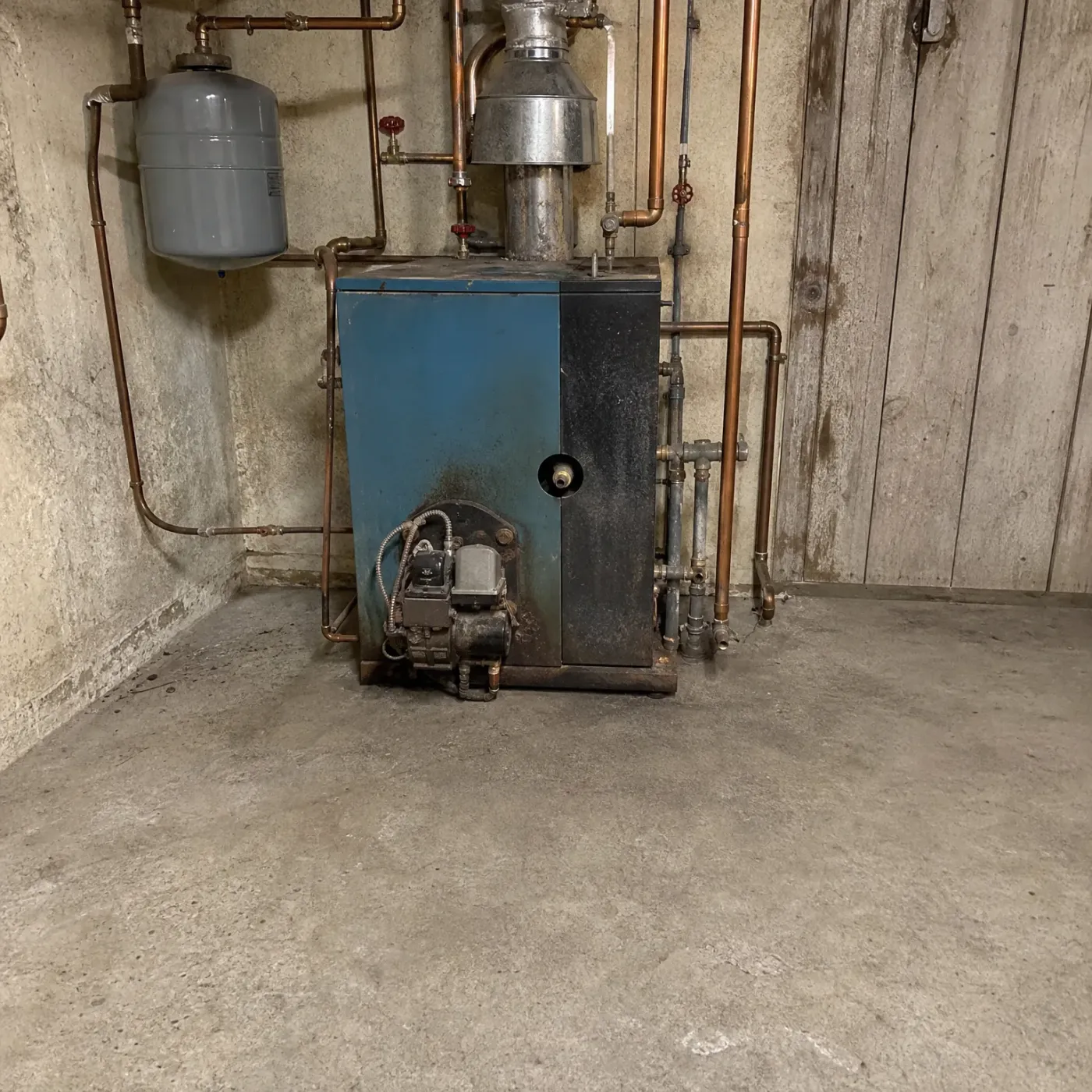
A boiler like this is losing ground, with a galvanized flue and aging pipework that are telling you the end is close.
Repair Now or Replace This Winter
Repair
A new circulator pump or expansion tank makes sense when the rest of the boiler is sound and holding pressure fine.
A one-time repair bill is a lot easier to plan for than a full installation, especially mid-winter.
If the heat exchanger is fine and it's the pilot assembly or a valve acting up, fixing that part gets you through the season.
Repair buys time if you're not ready to commit to a new unit yet but need heat back on now.
A contractor can tell you if the fix is isolated or if it's the first of several failures coming.
Replace
A boiler that keeps needing a repair call every season is costing you in parts and labor that add up faster than one installation.
New boilers run more efficiently, which matters with how much gas yours burns to heat water all winter.
If the heat exchanger itself is cracked or the tank is kettling, no repair fixes that for good.
Replacing it now means you choose the timing instead of finding out when it fails on the coldest night.
A new boiler sized right for your home's heat loss keeps pressure steady and cuts down on the surprise breakdowns.
Once it's in, you're done pricing parts and scheduling repair visits for a system that was already on its way out.
Winter nights average 33°F statewide
33°F is the average overnight low here from December through February. That's a boiler running most nights of the winter, not just the cold snaps. If it's already struggling, those are the hours it has to work hardest.
NOAA nClimDiv 1991-2020 county normals weighted by homes
A boiler that's banging, losing pressure, or eating repair bills every winter is telling you something plain: it's time to replace it, not nurse it through another cold stretch. One that's holding steady, quiet, and keeping pressure is still worth repairing when something small goes wrong. You know by now which one is yours. What's left isn't figuring out the diagnosis, it's finding a licensed contractor who can size the job right and get it done, instead of you calling around Nevada, explaining the same story to every company that picks up, and sorting through quotes to see who actually knows boilers. Send the form and that part stops being yours to carry. You're not left waiting on hold or digging for a name you can trust. Someone who installs these for a living takes it from here, and you go back to deciding what matters most to you, not whether you got the right contractor on the phone.
Finding a pro stops being your job
One form replaces the calls you'd make to find a boiler pro.