
Normal operation
This is what a clean system looks like. Water moves freely through the copper lines and the circulation pump, and the heat exchanger transfers heat evenly without resistance. No scale, no trapped steam, no noise.
That banging, usually right when the boiler fires up or shuts off, is almost always kettling. Mineral scale builds up inside the heat exchanger over time, and water trapped under that scale turns to steam pockets before the rest of the water around it boils. Those pockets collapse and that's the bang, sometimes more of a rumble or a knock. Nevada's water runs hard in a lot of areas, and hard water speeds up scale buildup, so boilers here can start kettling sooner than you'd expect. It can also be trapped air in the system, or sediment settled low in the boiler where the burner heats it directly. None of these fix themselves, and left alone the banging tends to get louder and more frequent as scale thickens. It won't stop your boiler from heating your home, at least not right away, but it is a sign of a heat exchanger working harder than it should, and that's worth looking at before it turns into a bigger repair.
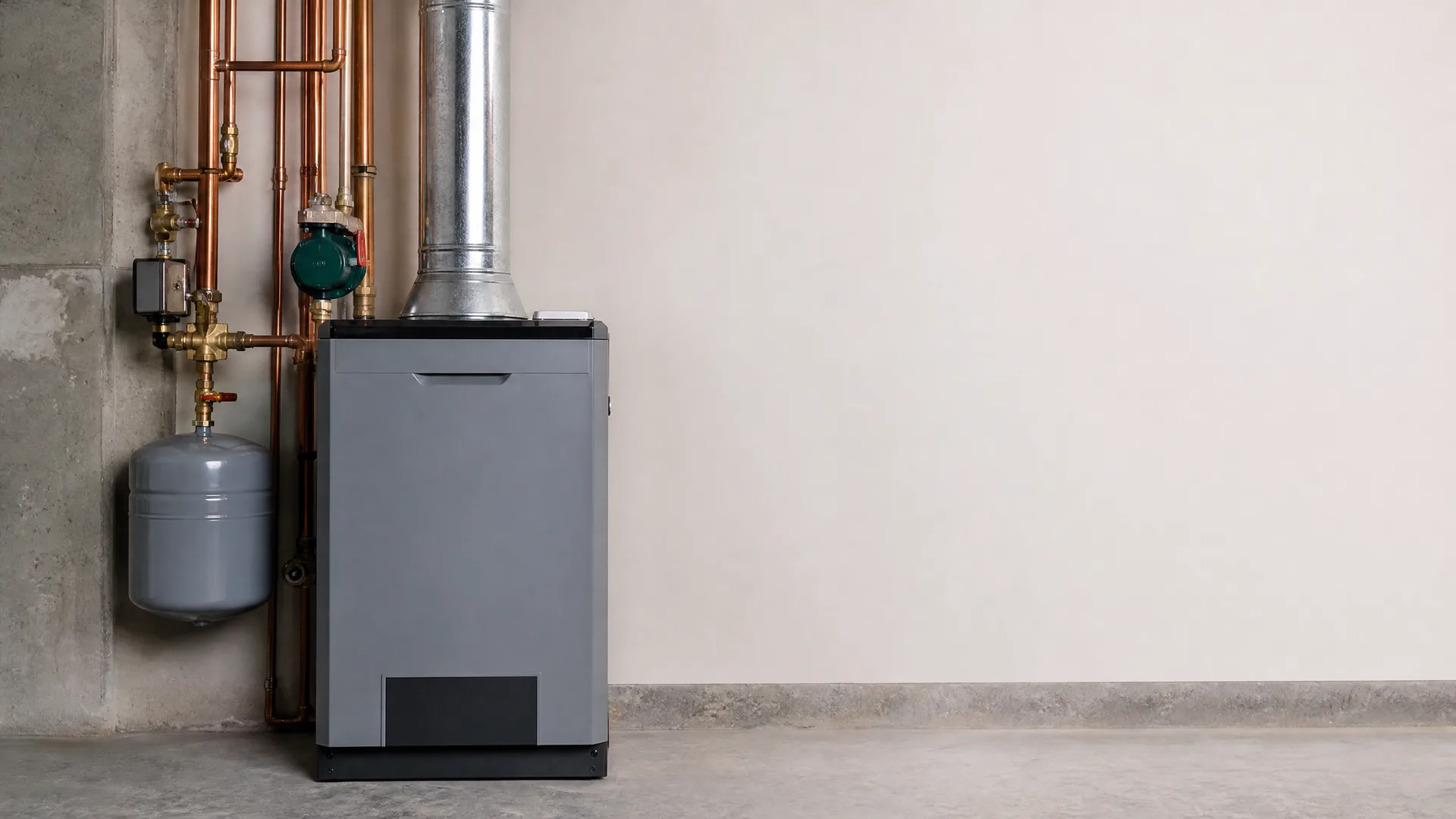
Nevada's water runs hard, and hard water means more dissolved minerals left behind every time the boiler heats a batch of water. Those minerals settle on the inside of the heat exchanger as scale. A thin layer barely slows the heat moving through the metal. A thick one traps water against hot metal, and that trapped water is what flashes to steam and causes the banging.
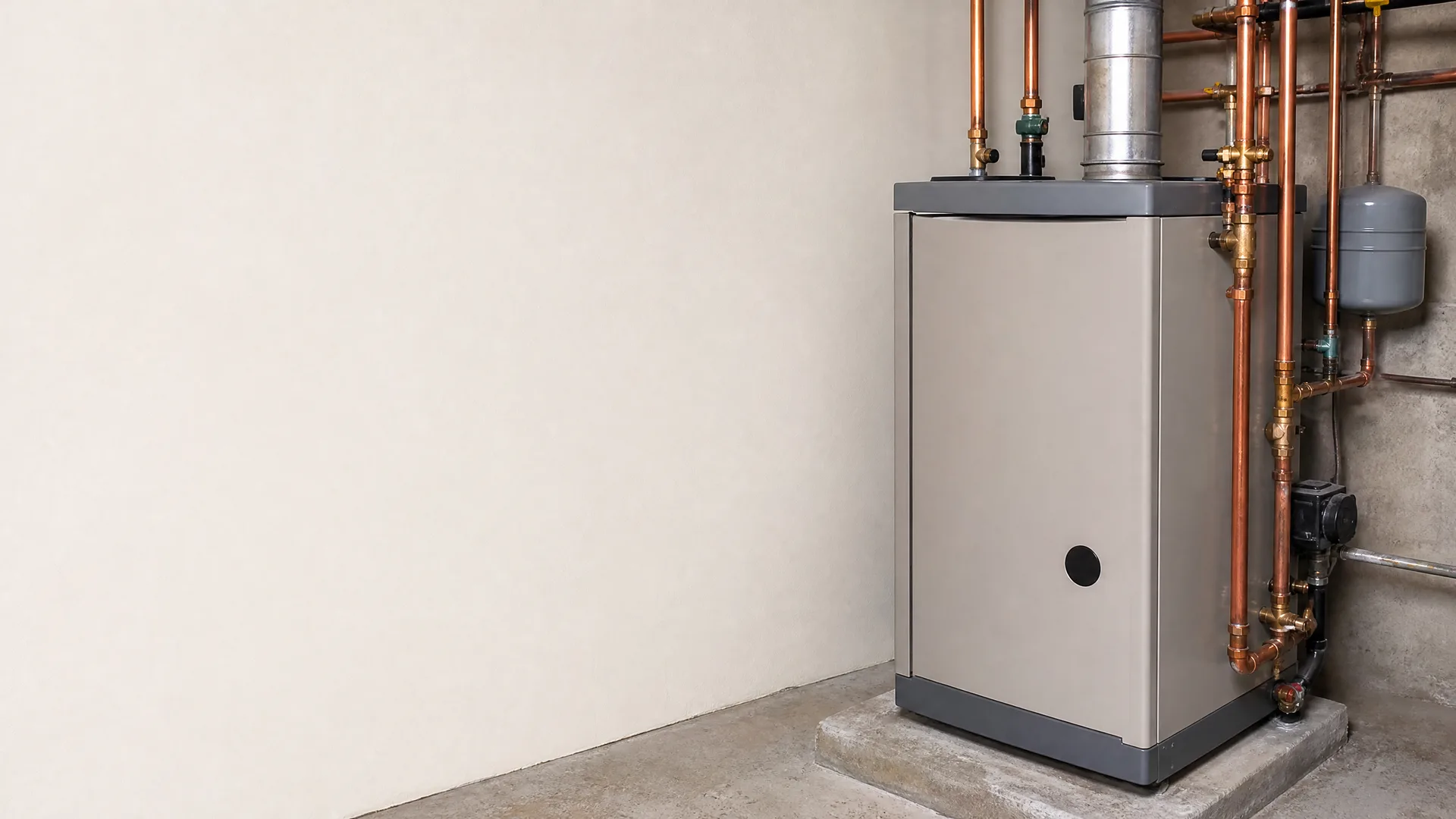
Kettling on its own does not mean the boiler is about to fail, but the scale behind it keeps building as long as the boiler keeps firing. Thicker scale means the heat exchanger works harder to move heat into the water, and a heat exchanger under that kind of stress over months and years is more likely to crack. Catching it while the noise is still just a noise is the easier repair.
You probably hear it most on the coldest mornings, when the boiler works hardest to bring the house up to temperature. The bang or pop comes right at startup, sometimes again as it cycles off. You might also notice the boiler taking longer to heat the house than it used to, or the burner kicking on more often. Left alone, the scale behind that noise keeps building, and the heat exchanger has to work harder to push heat through it. That strain is what leads to cracked or failed exchangers down the road, which is a far bigger repair than the one in front of you now.
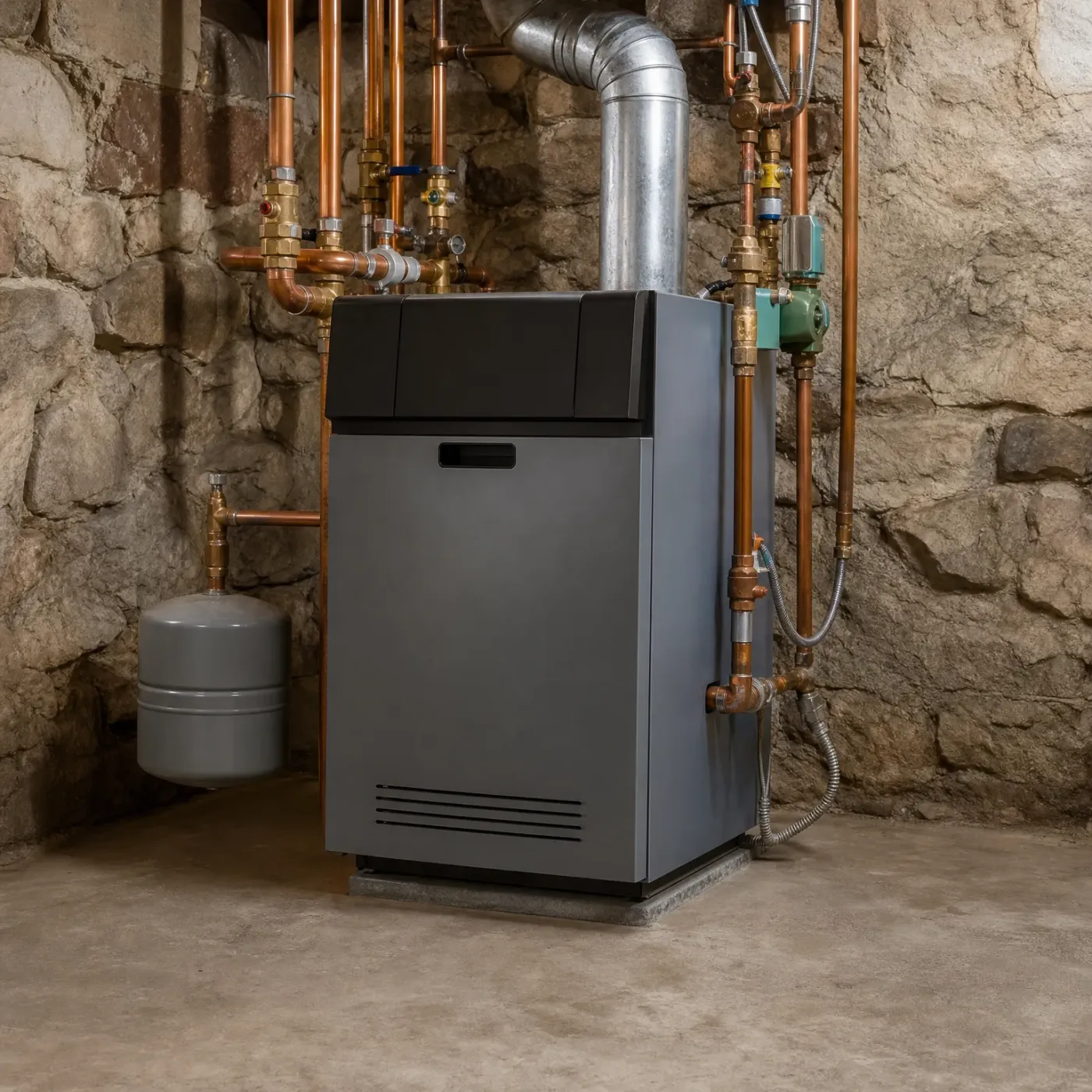
This is what a clean system looks like. Water moves freely through the copper lines and the circulation pump, and the heat exchanger transfers heat evenly without resistance. No scale, no trapped steam, no noise.
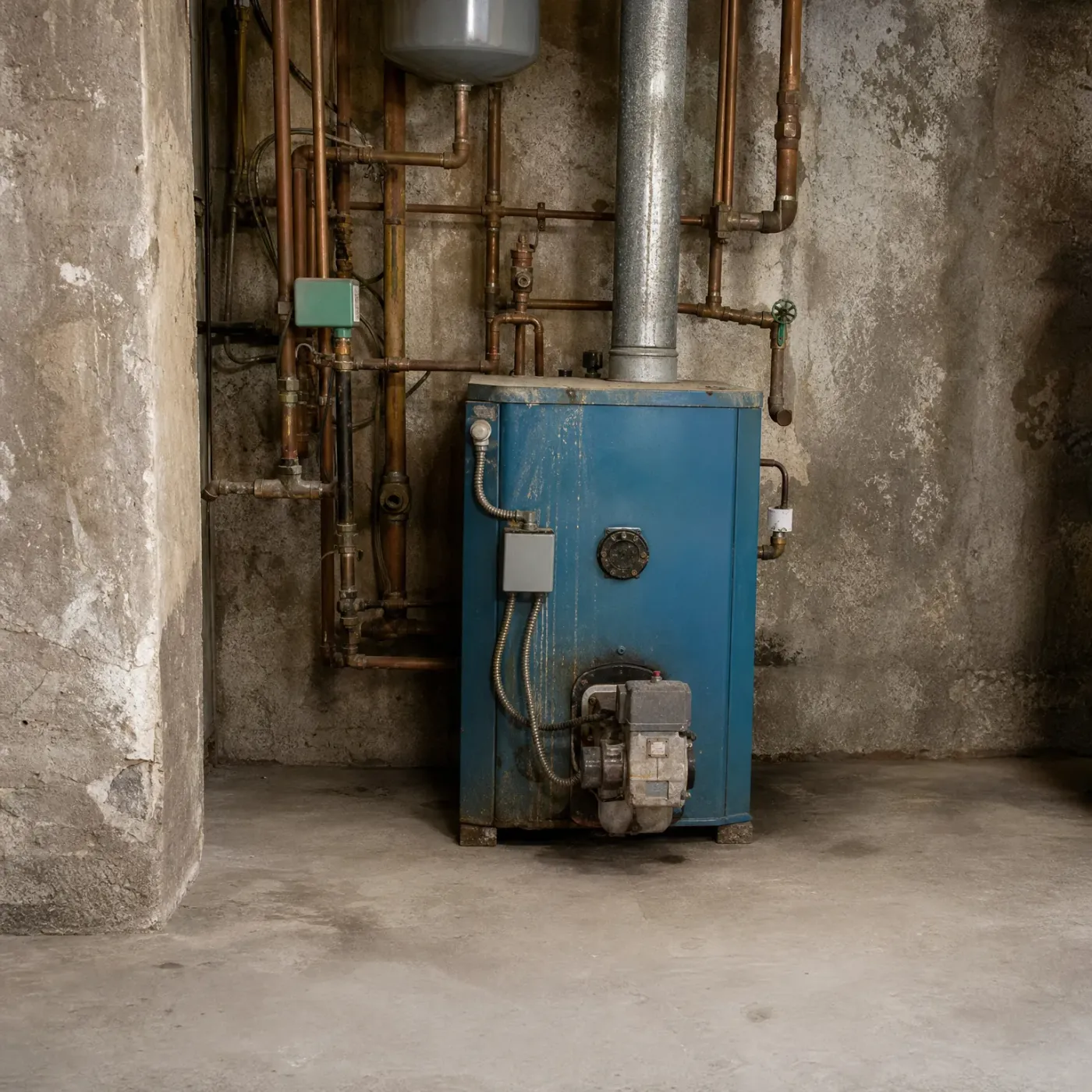
This older unit shows what years of hard water leave behind. Scale builds along the heat exchanger wall, inside the same kind of copper and fitting network, and that's where the banging starts. Left alone, the buildup only gets thicker.




A boiler that's banging now won't fix itself, and in Nevada's hard water, scale only builds up more between now and the first cold snap. Figuring out how bad it is means someone opening up the heat exchanger, which isn't a job for guessing over the phone. Left alone, you're looking at calling around to find someone who works on boilers specifically, explaining the noise and when it happens to every one of them, then trying to compare quotes for a repair you can't fully see yourself. That's the part worth handing off. A contractor who knows Nevada's water and what it does to a heat exchanger can tell you whether you're looking at a flush or something further along, before the coldest morning of the year makes the decision for you.
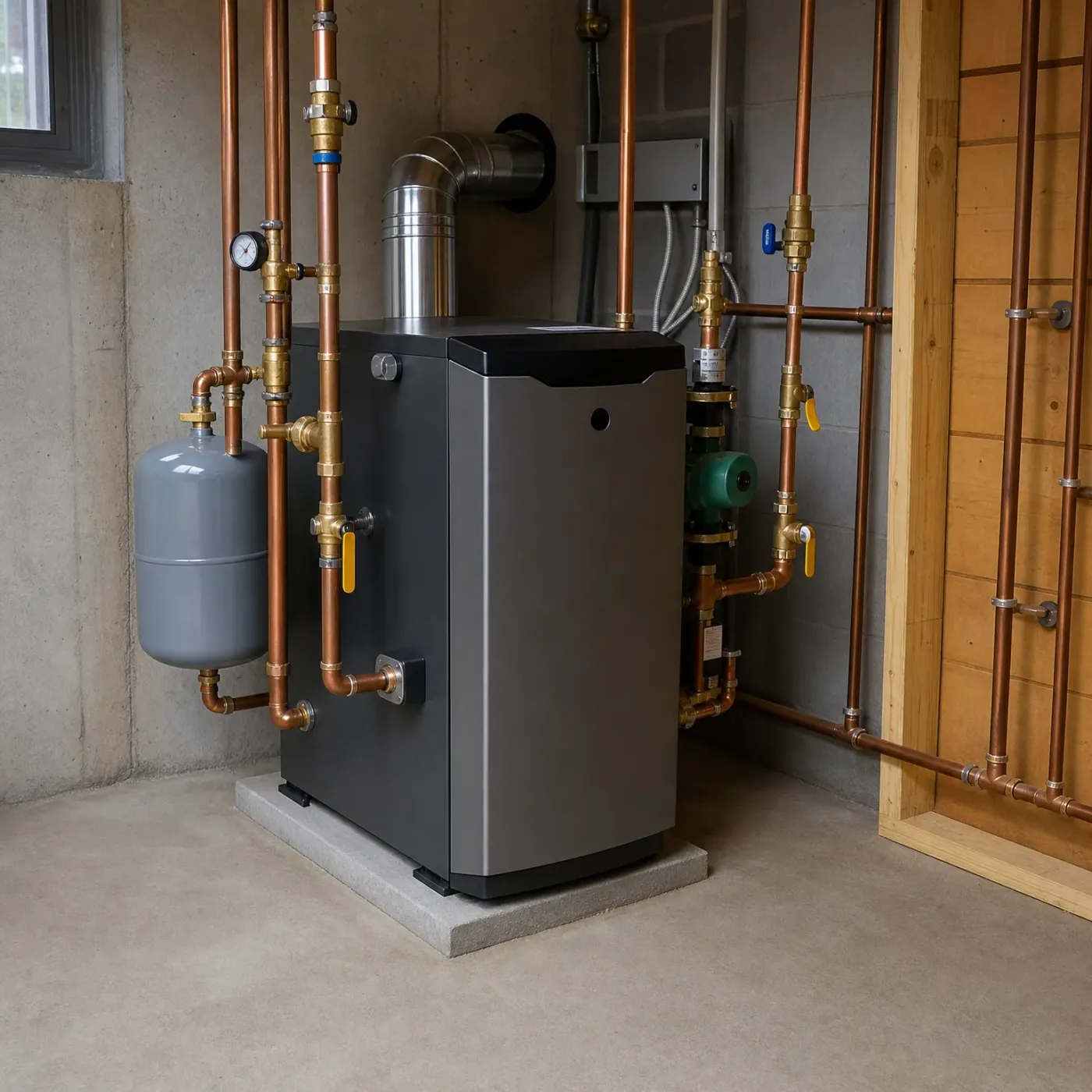
Water moves through without resistance here, and heat transfers evenly across the surface. No scale lining the copper, no steam pockets forming, no noise at startup or shutdown. This is what the inside of the boiler looks like before Nevada's hard water has had years to leave minerals behind.
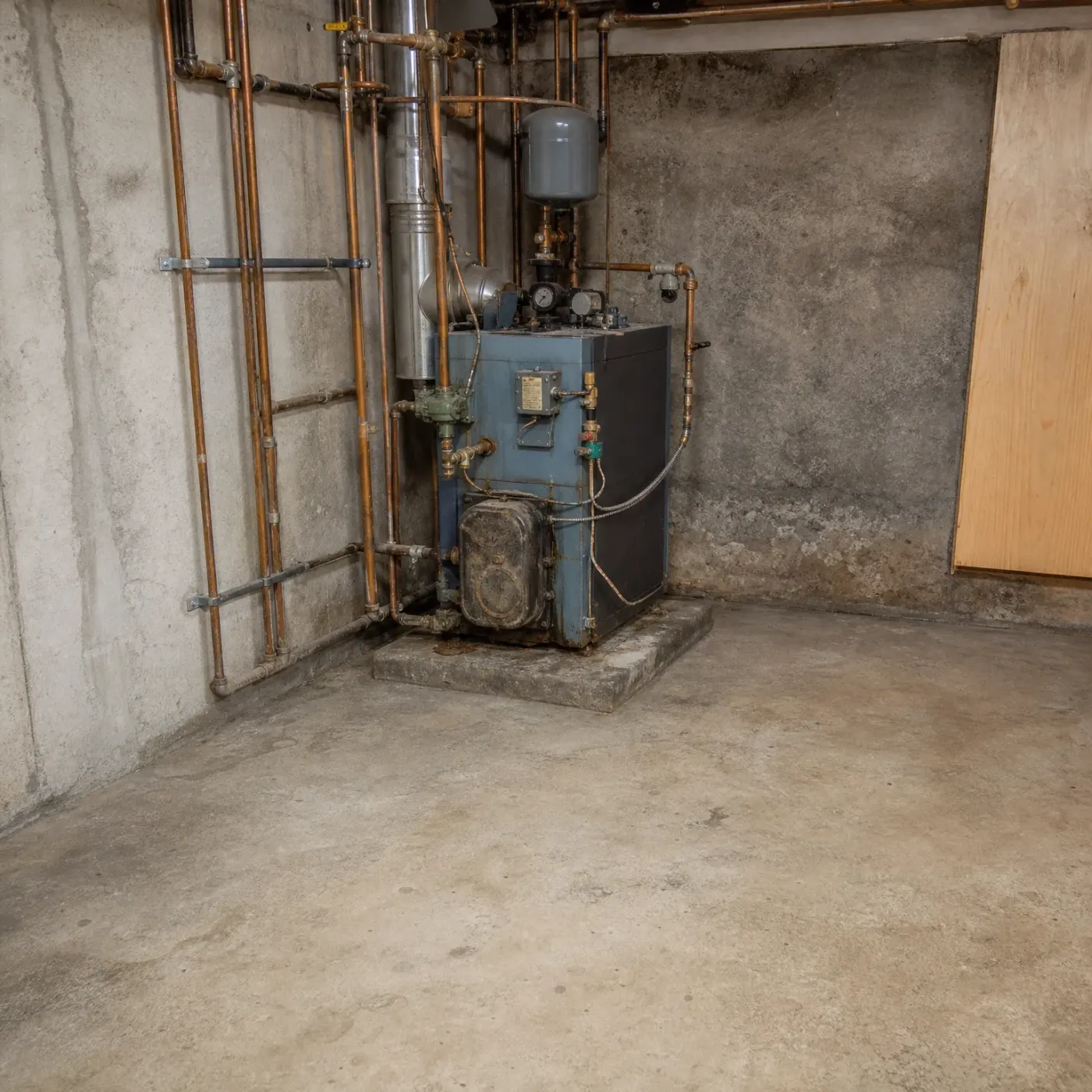
Years of hard water have left a crust inside this exchanger, thick enough to trap water against the metal. That trapped water flashes to steam before the rest catches up, and the pockets collapsing is the banging you hear. Left alone, the layer only gets thicker.


Let it bang through another winter and the scale only thickens, since Nevada's hard water keeps feeding it. Each layer traps more steam, and the noise gets louder before anything else changes.
Descale it now and the heat exchanger goes back to moving heat the way it was built to. The banging stops because the thing causing it is gone, not because it got quieter on its own.
At 33°F on a winter night, your boiler isn't cycling on and off a few times, it's holding a long, steady burn to keep the house warm. That's more hours for scale-lined water to sit against the heat exchanger and more chances for a bang.
NOAA nClimDiv 1991-2020 county normals weighted by homes
The bang is kettling. Scale has built up inside the heat exchanger, and water trapped under it turns to steam before the rest of the water boils. Nevada's hard water is why the scale is there at all, and it keeps feeding the layer every time the boiler runs. You'll hear it most on cold nights, when the boiler holds a long burn instead of short cycles, because that's more time for scale-lined water to sit against the metal and pop. None of this reverses on its own. The layer that's there now is the thinnest it will ever be, and the only way to know how far it's progressed is to have someone open the heat exchanger and look.
What usually eats the time isn't the repair itself, it's getting to someone who can do it. Searching for a contractor who works on boilers, calling a few, describing the banging and when it happens to each one, then waiting on quotes to compare. That part is what goes away when you're matched with a contractor here. You explain it once, to someone who already knows what kind of problem they're walking into, and they reach out to you instead of you chasing them down. The boiler still needs the same look inside, the same judgment about how bad the scale is. But you're not the one doing the legwork to find a person to make that call.
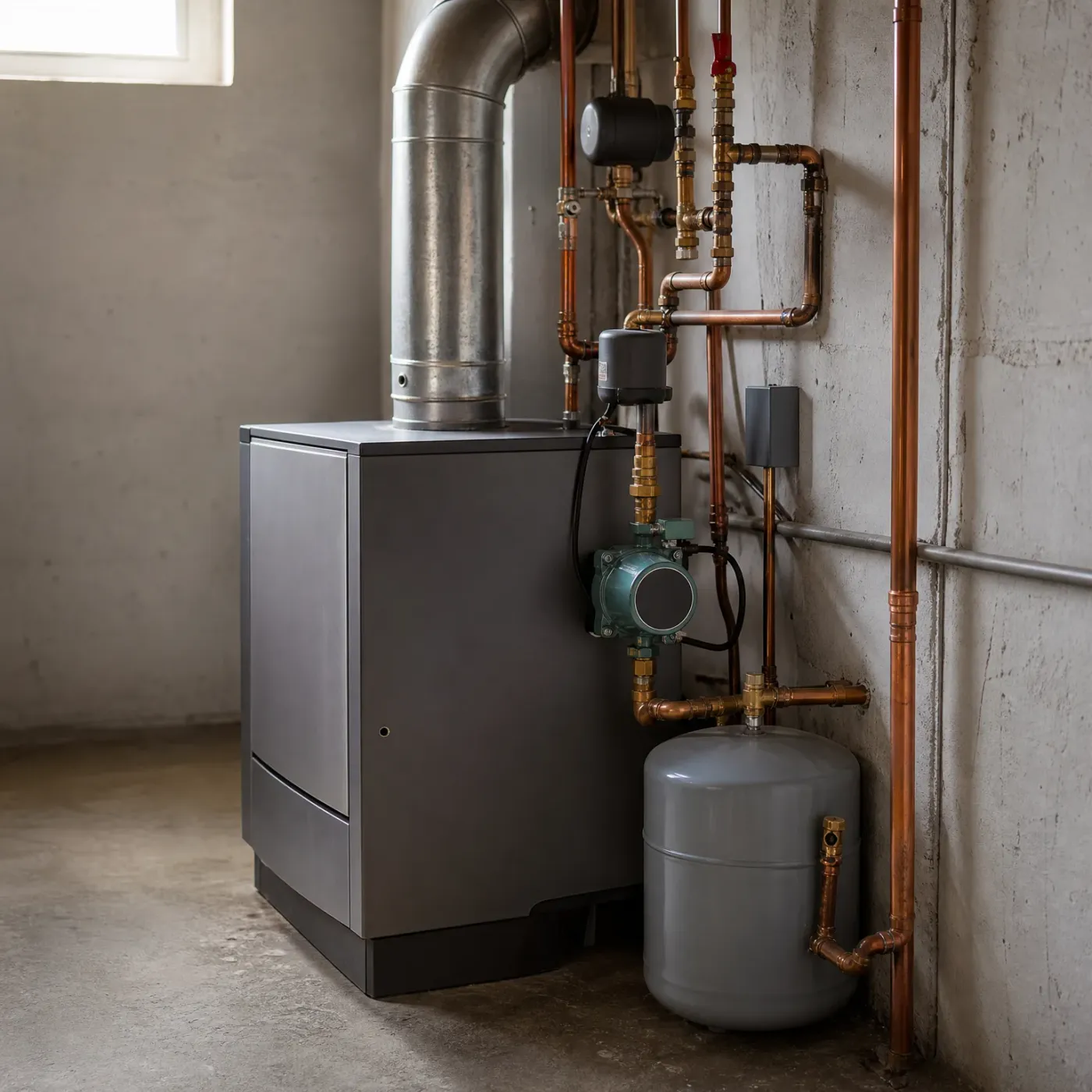
Describe your boiler job once, to one pro.
No charge to send it. You decide if you hire them.